Common Childhood Illnesses: What to Treat at Home and When to See a Doctor
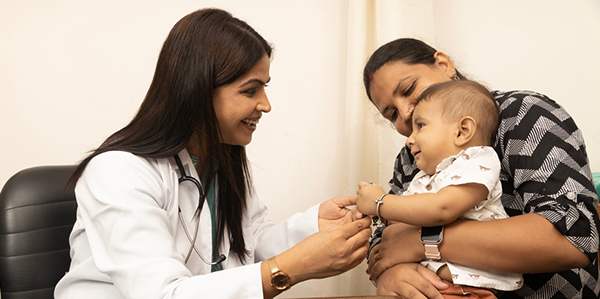
A healthy child under five will pick up six to eight infections a year. Most of them need patience, fluids and a thermometer — not antibiotics. The skill parents need is not diagnosing the illness, but recognising the small number of signs that mean a child should be seen today.
This guide covers the five complaints we see most often in the outpatient department, what genuinely helps at home, and the red flags for each one. If your instinct says something is wrong even though the list below says otherwise, trust the instinct and bring the child in. Parents are usually right.
1. Fever
Fever is a response, not a disease. A temperature of 38°C (100.4°F) or more measured properly means the immune system is working; how high it goes correlates poorly with how serious the cause is. A child with 39°C who is drinking, playing between spikes and passing urine is usually far less worrying than a child with 38°C who is limp and refusing all fluids.
At home
- Paracetamol 15 mg per kg of body weight, no more often than every six hours — dose by weight, not age, and write down the time of each dose.
- Offer fluids constantly in small amounts. Watch wet nappies or trips to the toilet as your hydration gauge.
- Light clothing and a normal room temperature. Do not sponge with cold water or use ice; it causes shivering, which raises the core temperature.
- No aspirin for children, and no antibiotic left over from a previous illness.
Bring a feverish child in the same day if
- The child is under three months old and has any fever at all
- Fever has lasted more than three days, or returns after settling for a day
- The child is unusually drowsy, floppy, difficult to wake or inconsolably irritable
- There is fast or laboured breathing, chest indrawing, or grunting
- There is a rash that does not fade when pressed with a clear glass
- There is a seizure, a stiff neck, or repeated vomiting with severe headache
- No urine for eight hours, no tears when crying, or a sunken soft spot in a baby
2. Cough and cold
Almost all are viral. A cold typically peaks around day three and improves by day seven to ten, though a dry cough can linger two to three weeks afterwards — that tail is normal and is not a reason for a second antibiotic course.
At home
- Saline nose drops before feeds and sleep, especially in infants who cannot blow their nose.
- Warm fluids, and honey for children over one year (never under one, because of infant botulism risk).
- Steam inhalation only under close supervision — scald burns from a tipped vessel are a real and frequent injury.
- Avoid over-the-counter cough and cold syrups in young children; they are not effective and can be harmful.
Wheeze that recurs with every cold, cough that is worse at night or after running, or a family history of asthma deserves an assessment at the pediatrics department rather than repeated cycles of syrup.
3. Diarrhoea and vomiting
In loose motions, the danger is almost never the infection — it is dehydration. The single most important treatment is oral rehydration solution (ORS), given in small, frequent sips rather than large drinks that trigger more vomiting.
At home
- ORS after every loose stool: roughly 50–100 ml for a child under two, 100–200 ml for an older child.
- Give it a teaspoon at a time every one to two minutes if the child is vomiting. Small volumes stay down.
- Continue feeding. Keep breastfeeding, and continue normal food — curd rice, khichdi, banana, plain rice. Starving a child prolongs diarrhoea.
- Zinc supplements for 14 days shorten the episode and reduce recurrence; ask your pediatrician for the dose.
- Avoid soft drinks and packaged juices — the sugar load pulls more water into the gut.
- Do not give anti-motility medicines to children.
Warning signs of dehydration
Sunken eyes, no tears, dry mouth, no urine for six to eight hours, unusual sleepiness, or skin that stays pinched when released. Blood in the stool, persistent green vomiting, or a swollen tender abdomen all need to be seen urgently.
4. Ear pain
Middle ear infection often follows a cold, and typically causes pain that is worse lying down. A baby who cannot say so may instead pull at the ear, cry during feeds, or sleep badly for no other apparent reason.
Many mild cases settle with pain relief alone, which is why a doctor may examine the eardrum and advise waiting 48 hours before starting an antibiotic. Discharge from the ear, swelling or tenderness of the bone behind the ear, fever with severe pain, or any hearing concern should be seen promptly. Never put oil or drops into an ear that is discharging without a doctor looking at it first.
5. Rashes
Most childhood rashes are viral and settle on their own. The ones that matter are distinguishable by a few features:
- Blanching rash (fades when pressed with a glass) with a well child — usually viral, watch and wait.
- Non-blanching purple spots or bruise-like patches with fever — a medical emergency; come to the hospital immediately.
- Itchy raised weals that come and go — usually urticaria; but with any swelling of the lips, tongue or face, or difficulty breathing, treat as an emergency.
- Blisters in crops with fever — likely chickenpox; keep the child away from newborns, pregnant women and anyone immunosuppressed.
- Rash with high fever for five days plus red eyes, cracked lips and swollen hands — needs same-day assessment.
Prevention beats treatment
- Keep immunisations on schedule. Measles, rotavirus, pneumococcus, Hib and typhoid vaccines prevent the illnesses that most often lead to hospital admission in this age group. If doses have been missed, catch-up schedules exist — ask rather than assuming it is too late.
- Handwashing with soap before meals and after the toilet, for the whole household.
- Safe drinking water — boiled or filtered — particularly through the monsoon months.
- Nutrition: iron- and protein-rich food, plus vitamin D. Anaemia is common and makes every infection worse.
- Growth monitoring. A child whose weight has plateaued needs review even without any obvious illness.
When to come to Janani Hospital
Our pediatrics department runs a daily outpatient clinic and 24/7 pediatric emergency care, supported by a Level III neonatal intensive care unit for newborns and premature babies. For anything on the red-flag lists above, come directly to the emergency department — no appointment is needed.
For routine problems, vaccination or growth concerns, book an appointment with Dr. Priya Dharshini, or call +91 70908 31208. Bring the child’s immunisation card and, if you can, a note of temperatures, doses and timings — it makes a short consultation far more useful.
Related care at Janani Hospital
This article is general health information and does not replace a consultation. For advice on your own symptoms, please book an appointment or call our 24/7 helpline on +91 70908 31208.

.png)