Laparoscopic Surgery: What to Expect Before, During and After
Keyhole surgery replaced a 15 cm incision with three or four cuts under a centimetre each. The operation inside the abdomen is the same one — the gallbladder, appendix or fibroid still has to come out — but almost everything about the recovery is different. Here is the whole journey, from the consultation to the day you go back to work.
What laparoscopic surgery actually is
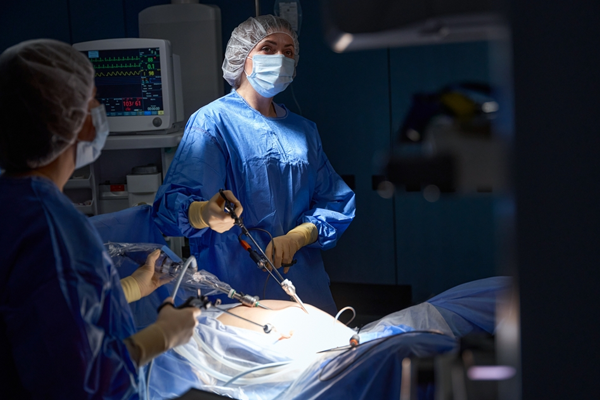
The abdomen is gently inflated with carbon dioxide to create working space. A camera the width of a pen goes in through one small cut near the navel and projects a magnified image onto a screen; fine instruments work through two or three other cuts. The surgeon operates while watching the monitor, at a level of magnification that is better, not worse, than the naked eye through an open incision.
At Janani Hospital, the laparoscopy department uses this approach for gallbladder removal, appendicectomy, hernia repair, ovarian cysts, ectopic pregnancy, hysterectomy, fibroid surgery, diagnostic laparoscopy for infertility, and selected colorectal, urological and bariatric procedures.
Before surgery
The consultation
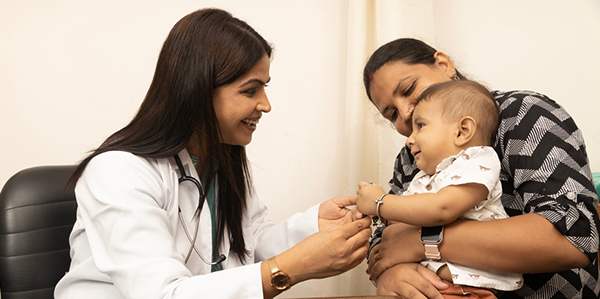
Expect an examination, imaging (usually ultrasound or CT), and a frank discussion of whether surgery is the right answer at all. Ask what happens if you wait, what the alternatives are, and what the plan is if the operation cannot be completed laparoscopically. Conversion to an open incision is uncommon but it is a legitimate safety decision, not a complication — usually because of dense adhesions from previous surgery or unclear anatomy.
Pre-operative tests
- Blood count, blood group, sugar, kidney and liver function, and clotting studies.
- ECG and a chest X-ray, particularly over 40 or with any heart or lung condition.
- An anaesthesia review, where you should mention every regular medication, herbal preparation, allergy, previous anaesthetic reaction, loose teeth, and any history of snoring or sleep apnoea.
The week before
- Blood thinners (aspirin, clopidogrel, warfarin) may need stopping several days in advance — only ever on your doctor’s instruction, never on your own.
- Diabetes medication including metformin and insulin will be adjusted for the fasting period.
- Stop smoking — even two weeks makes a measurable difference to wound healing and chest complications.
- Arrange someone to bring you home and stay the first night.
Fasting instructions
Usually no solid food for six hours and no clear fluids for two hours before surgery. Fasting from the previous evening is no longer necessary in most cases and leaves you dehydrated. Follow the exact timing given by your anaesthetist, and tell the ward if you accidentally ate or drank — it is a safety issue, not a scolding.
On the day
- Admission and marking. Consent is confirmed, the site is marked, and jewellery, dentures and nail polish are removed.
- Anaesthesia. Almost all laparoscopic surgery is under general anaesthetic. You will be asleep within about 30 seconds of the injection and will not be aware of anything until you wake in recovery.
- The procedure. A gallbladder removal typically takes 45–90 minutes; a laparoscopic hysterectomy or complex hernia repair, longer. Add roughly an hour either side for anaesthesia and recovery.
- Recovery room. One to two hours of monitoring before you return to the ward. Some throat discomfort from the breathing tube and some nausea are common and settle quickly.
- Same evening. You will be encouraged to sip fluids and, in most cases, to sit up and walk a short distance. Early mobilisation is one of the main reasons keyhole recovery is fast — it reduces clots and chest infections.
After surgery: the recovery timeline
| Time | What to expect |
|---|---|
| Day 0 | Sips of fluid, sitting up, short assisted walk. Pain controlled with injections. |
| Day 1 | Light diet, walking independently. Discharge on the same or next day for most procedures. |
| Days 2–5 | Normal food, oral painkillers, short walks at home. Shoulder-tip discomfort settles. |
| Week 1 | Wound review or dressing change. Desk work often possible by the end of the week. |
| Weeks 2–4 | Driving once you can brake without hesitation. Gradual return to normal routine. |
| Weeks 4–6 | Heavy lifting, gym and manual work resume, as advised by your surgeon. |
Shoulder-tip pain is normal
A surprising ache at the tip of the shoulder in the first day or two is caused by residual carbon dioxide irritating the diaphragm, which shares a nerve supply with the shoulder. It is not a heart or shoulder problem. Walking, warm compresses and simple painkillers clear it within 24–48 hours.
Wound care
- Keep the dressings clean and dry as advised; most modern dressings allow a short shower after 48 hours.
- Do not apply oil, turmeric paste or home remedies to the wounds.
- Most units use absorbable sutures, so there may be nothing to remove.
- Slight bruising and firmness under a wound is normal for a few weeks.
Eating and moving
Start with light, home-cooked food and build up as appetite returns. After gallbladder removal, most people eventually eat normally, but very oily food in the first few weeks often causes loose stools — introduce fat gradually. Walk several short distances a day rather than one long one, and avoid straining or lifting anything heavier than about five kilograms until cleared.
Call the hospital if you develop
- Fever above 38°C, or chills and shivering
- Increasing rather than decreasing abdominal pain after day two
- Redness, swelling, or discharge from a wound
- Persistent vomiting, or inability to pass urine or wind
- Breathlessness, chest pain, or a swollen painful calf
- Yellowing of the eyes or skin after gallbladder surgery
Our emergency department is open 24 hours: +91 70908 31208.
Why keyhole, when it is suitable
- Substantially less post-operative pain and lower painkiller requirement
- One to two days in hospital instead of five to seven
- Return to work in one to two weeks rather than four to six for most procedures
- Far lower rates of wound infection and incisional hernia
- Small scars, which matters more to patients than surgeons often assume
It is not right for everyone. Extensive adhesions from previous open surgery, severe cardiac or respiratory disease that makes the inflated abdomen risky, uncontrolled bleeding disorders, or very advanced disease may all make an open operation the safer choice. That judgement is made case by case with you, before the day of surgery.
Having surgery at Janani Hospital
Janani Multispeciality Hospital and Research Centre operates modular theatres with high-definition laparoscopic systems, a 24/7 anaesthesia team and critical care back-up on site. The general surgery, laparoscopy, hysteroscopy and urology teams work together where a case crosses specialties.
Before you consent to any operation, ask for the plan in writing, the expected hospital stay, the full estimate including implants and consumables, and whether your insurance is accepted. Our patient information page covers admission, insurance and visiting hours. To discuss a procedure, book a surgical consultation or call +91 70908 31208.
Related care at Janani Hospital
This article is general health information and does not replace a consultation. For advice on your own symptoms, please book an appointment or call our 24/7 helpline on +91 70908 31208.

.png)