Living Well with Diabetes and High Blood Pressure: A Practical Guide

Diabetes and hypertension travel together, damage the same organs, and are both almost entirely silent until the damage is done. The good news is that they are managed with one shared routine — a handful of numbers, a quarterly test, and a few habits that are easier to sustain than most people fear.
India has one of the largest diabetic populations in the world, and North Karnataka is no exception. What makes the condition dangerous here is not the diagnosis but the follow-up: treatment started, then stopped when the patient "felt fine", and reviewed again only when there is a foot ulcer, failing vision or a heart attack. This guide is about the ordinary maintenance that prevents that.
Know your numbers
| Measurement | Usual target | How often |
|---|---|---|
| HbA1c | Below 7% for most adults | Every 3 months until stable, then 6-monthly |
| Fasting sugar | 80–130 mg/dL | As advised, plus home monitoring |
| Post-meal sugar | Below 180 mg/dL at 2 hours | As advised |
| Blood pressure | Below 130/80 mmHg | Every visit, plus home readings |
| LDL cholesterol | Below 100 mg/dL, lower if heart disease | Annually |
| Kidney check | Creatinine + urine albumin | Annually |
These are typical targets, not universal ones. An older patient with heart disease may be given a deliberately more relaxed HbA1c target because hypoglycaemia is the greater danger; a young patient planning pregnancy will be given a tighter one. Ask your physician for your number and write it on the front of your file.
Measuring blood pressure properly at home
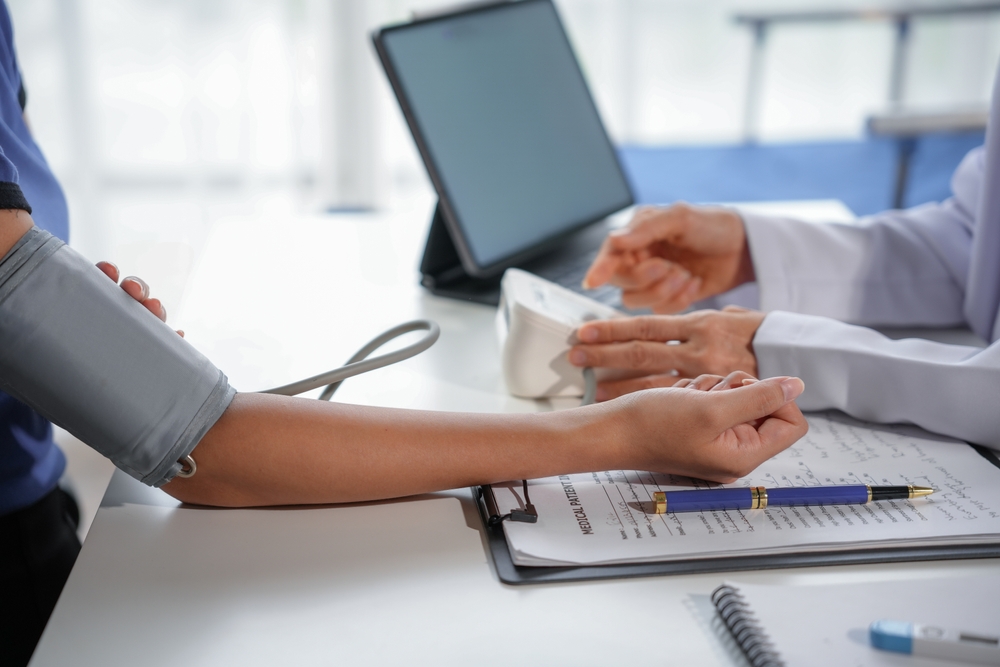
Most home readings are wrong for avoidable reasons. Done correctly, they are more useful than a single clinic reading taken after you have climbed the stairs.
- Sit quietly for five minutes first. Back supported, feet flat on the floor, legs uncrossed.
- Arm resting on a table at heart level, cuff on bare skin, not over a sleeve.
- No coffee, tea, tobacco or exercise for 30 minutes before. Empty your bladder first.
- Do not talk during the reading.
- Take two readings a minute apart, morning and evening, and record both. A single high reading is not a diagnosis; a pattern is.
- Use a validated upper-arm digital monitor. Wrist devices are far less reliable.
Food: adapting South Indian meals, not abandoning them
Nobody sustains a diet that removes everything they grew up eating. The changes below keep the plate familiar and change what it does to your blood sugar.
- Halve the rice, double the dal and vegetables. Protein and fibre alongside carbohydrate blunt the sugar spike substantially.
- Prefer whole grains — jowar, bajra, ragi, hand-pounded or brown rice — over polished white rice and refined wheat.
- Eat vegetables or salad first in the meal. The order genuinely changes the post-meal reading.
- Cut liquid sugar entirely: sweet tea and coffee, soft drinks, packaged juices. This is usually the single highest-yield change.
- Salt below 5 g a day for blood pressure. Most of it comes from pickles, papad, packaged snacks and restaurant food rather than the salt shaker.
- Do not skip meals if you take insulin or sulphonylureas — skipping is a common cause of dangerous lows.
- Nuts, curd, sprouts and eggs make better between-meal snacks than biscuits or fried items.
Movement, weight and sleep
Aim for 30 minutes of brisk walking on at least five days a week, plus two sessions of simple resistance work. Muscle is where glucose is stored, so building a little of it improves control independently of weight loss. Even a 5–10% reduction in body weight can meaningfully lower both sugar and blood pressure.
Sleep matters more than most people expect: persistent short sleep and untreated sleep apnoea both worsen insulin resistance and blood pressure. Loud snoring with daytime sleepiness is worth mentioning to your doctor.
Taking medication reliably
- Never stop a medicine because the numbers have normalised — they are normal because of it.
- Tie each dose to a fixed daily event, and use a weekly pill box.
- Carry a current list of your medicines, with doses, to every appointment and hospital visit.
- Ask before adding any Ayurvedic, homeopathic or herbal product — several interact with diabetes and blood pressure medication.
- If a dose is missed, take it when you remember unless it is nearly time for the next; do not double up.
The complications worth screening for
Diabetes and hypertension damage small blood vessels first. Each of the checks below finds that damage while it is still reversible or containable.
- Eyes: a dilated retinal examination every year. Diabetic retinopathy has no symptoms until vision is already lost.
- Kidneys: urine albumin and serum creatinine annually. Early protein leak is treatable; established kidney failure is not.
- Feet: look at your feet daily — between the toes and under the soles — and have sensation tested annually. Most amputations begin as a blister or crack that was never felt. Never walk barefoot, indoors or outdoors, and never trim corns yourself.
- Heart: annual lipids and ECG, with further testing if there is chest discomfort, breathlessness on exertion or unusual fatigue.
- Nerves: report burning, tingling or numbness in the hands or feet rather than living with it.
- Dental: a check every six months. Gum disease and poor sugar control feed each other.
Emergencies — come in immediately
- Low sugar: sweating, trembling, confusion, palpitations. Take glucose, sugar or juice at once, then a meal — and tell your doctor, because the dose needs reviewing.
- Very high sugar: excessive thirst, heavy urination, vomiting, deep rapid breathing, drowsiness.
- Blood pressure above 180/120 with headache, chest pain, breathlessness or visual disturbance.
- Stroke signs: sudden facial droop, arm weakness or slurred speech — call for help immediately, time is the whole treatment.
- Foot: any wound, blister, black area or spreading redness, however small and however painless.
Special situations
Fasting during festivals
Fasting is possible for many people with diabetes, but the medication schedule must be adjusted first — especially insulin and sulphonylureas. Speak to your physician a couple of weeks before, not on the day.
Pregnancy
Sugar and blood pressure control before conception matters more than at any other time, and several common tablets must be changed before pregnancy. This is planned jointly with the antenatal care team. Gestational diabetes also means a substantially raised lifetime risk of type 2 diabetes, so an annual screening test after delivery is not optional.
Before surgery
Tell the surgical and anaesthesia teams about every medicine you take. Metformin, SGLT2 inhibitors and insulin all need specific handling around the fasting period — something our surgical team reviews at the pre-operative visit.
Follow-up at Janani Hospital, Vijayapura
The Department of General Medicine runs regular diabetes and hypertension clinics with on-site laboratory services, so HbA1c, kidney function and lipids can be done and reviewed in the same visit. Where complications need specialist input, referral to critical care, urology or orthopedics happens within the same hospital.
Bring your glucose meter and home BP diary to every appointment. You can book a consultation, choose a diabetic health package covering the annual checks in one visit, or book your quarterly HbA1c directly.
Related care at Janani Hospital
This article is general health information and does not replace a consultation. For advice on your own symptoms, please book an appointment or call our 24/7 helpline on +91 70908 31208.
.png)